


Prosecco DOC, altri 3000 ettari di vigneti
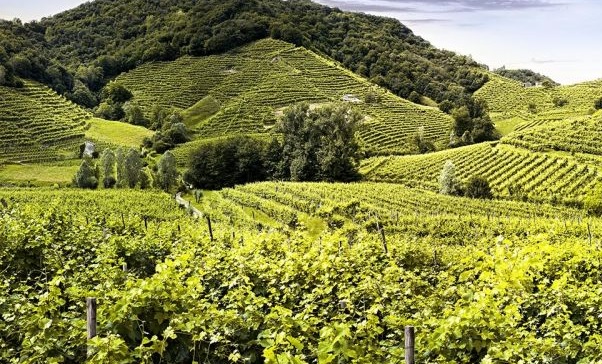
Cresce la domanda di Prosecco nel mondo, che dopo le annate 2013 e 2014 (+24,2 e +26,9) fa segnare nel 2015 un +15,8%, più del doppio della crescita del consumo degli spumanti generici.
Stefano Zanette, presidente del Consorzio di Tutela spiega: “Calcolando un aumento medio del 15% del consumo di Prosecco spumante nel prossimo triennio, gli esperti del Centro interdipartimentale per la viticoltura dell’Università di Padova e di Nomisma hanno valutato che sarebbero necessari 3.000 ettari di Glera in più per soddisfare la richiesta, mantenendo l’equilibro di mercato”. Ogni anno le regioni hanno diritto ad un 1% di superficie vitata: il Veneto conta 80.000 ettari, quindi gliene spetterebbero 800. Tanta richiesta che le aziende hanno difficoltà a soddisfare dunque.
Ma la risposta non si è fatta attendere: in seguito a diversi confronti tra le parti interessate, istituzioni ed aziende produttrici, il Consorzio di Tutela ha approvato l’aumento della superficie coltivabile destinata a produrre Prosecco Doc. L’aumento sarà pari a 3.000 ettari, 2.444 in Veneto e 556 in Friuli Venezia Giulia – distribuiti secondo precisi criteri – chiarisce Zanette: “Metà verranno riservati ai produttori storici utilizzando un algoritmo applicato a partire dal basso. Gli altri 1.500 ettari verranno distribuiti con criteri di assegnazione che favoriranno i giovani e privilegeranno le produzioni biologiche […]”. Si tratta comunque di un aumento irrisorio visto che le richieste di autorizzazioni per nuovi impianti viticoli hanno toccato quota 34.677 ettari (dati Agea).
Bisogna tener conto anche del rovescio della medaglia – dice Christian Marchesini, presidente regionale dei viticoltori di Confagricoltura: “Da un lato i dati evidenziano un grande dinamismo dell’universo vitivinicolo e degli imprenditori veneti, che fa rima con prospettive di redditività per la nostra regione. Dall’altro è chiaro che questa ubriacatura di domande crea problemi sul modo di gestire flussi così repentini e rischia di portare ad uno svilimento di zone produttive che hanno ottenuto riconoscimenti importanti, in quanto la viticoltura si sposta in zone non vocate togliendo vigneti alle colline del Valdobbiadene o alla Valpolicella, che si vedranno concedere 230 metri per ettaro. Confidiamo, di fronte a questi scenari, che venga impostata in futuro una corretta programmazione regionale, che dovrà tenere conto dello squilibrio di domanda e offerta compiendo scelte chiare e nette che evitino di massificare e svilire i valori in campo […]”.
[:en]
The world Prosecco demand grows, which after the 2013 and 2014 (+24,2 % and 26.9%) is showing in 2015 an increase of 15,8%, more than twice the growth of generic sparkling consumption.
Stefano Zanette, the Protection Consortium president explain: “ by calculating an average increase of 15% in the consumption of sparkling Prosecco in the next three years, experts of the interdepartmental Centre for viticulture at the university of Padua and Nomisma evaluated that it would take 3.000 more hectares of Glera to meet the demand, by maintaining the market equilibrium”. Every year the Regions are entitled to a 1% of area planted, Veneto region count 80.000 hectares, then 800 hectares would be granted to it.
But the answer came immediately: after several comparison between institutions and manufacturers, the Protection Consortium approved the increase of arable land used to produce Prosecco DOC. The increase will be 3.000 hectares, 2.444 in Veneto regions and 556 in Friuli Venezia Giulia region -distributed according to several criteria- Zanette clarifies: “ half of the hectares will be reserved for historical producers using an algorithm applied from the button up. The others 1.500 will be distributed with allocation criteria that will favor the young and the organic productions. However, this is a paltry increase because the authorization requests, for new planting of vineyards, have touched 34.677 hectares ( Agea data).
It must also take into account the downside – says Christian Marchesini, the winegrowers regional president of Confagricolutra: “on the one hand the data shows a great dynamism of the wine universe and of Veneto region entrepreneurs” , which means profitability prospects for our region. On the other hand it is clear that this intoxication of demands creates troubles on how to manage sudden flows and it is likely to lead to a debasement of productive areas that have received important awards, as viticulture moves in not suited areas removing vineyards to the hills of Valdobbiadene and Vapollicella, that will have 230 meters per hectare.
We trust, faced this scenarios, that in the future a proper regional planning will be set, which will must take into account the imbalance of demand and supply and making net and clear choices that avoid to standardize and debasing the values in the field.